
Ready to start collecting trading cards? Whether you’re chasing rookie cards, building Pokémon decks, or hunting for graded sports legends, this comprehensive guide walks you through the essentials: where to buy, how to store, when to grade, and how to avoid scams.
What Are Trading Cards?
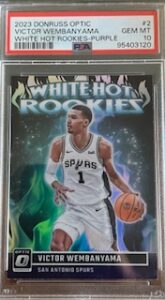
Trading cards are collectible paperboard or cardstock items that depict athletes, characters, or art. Cards vary by set, year, and rarity. In the modern hobby you’ll encounter base cards, inserts, parallels, hits (autographs and patches), and serial-numbered chase pieces.
Choose Your Collecting Lane
Start narrow. Popular lanes include:
- Sports cards (Baseball, Basketball, Football, Hockey)
- Trading card games (Pokémon, Magic: The Gathering, Yu-Gi-Oh!)
- Entertainment and pop culture cards
- Vintage or modern investment-focused collecting
Choosing a lane helps you prioritize budget and research.
Key Terms Every Beginner Should Know
- Base Card: Common card from a set.
- Insert & Parallel: Special, often rarer variations.
- Rookie Card (RC): The player’s first major card.
- Hit: Premium card like autographs or patches.
- Serial Numbered: Limited print-run card (e.g. 1/25).
Where to Buy Trading Cards
Reliable marketplaces and sellers matter. Common sources:
- Online: eBay (use Sold listings), COMC, PWCC, Whatnot (live breaks)
- Local: card shops, card shows, hobby stores
- Auctions: Goldin, Heritage, specialized sports auction houses
Should You Grade Your Cards?
Grading adds credibility and can increase resale value for high-grade, high-demand cards. Top graders:
- PSA — strongest resale premium
- Beckett (BGS) — popular for on-card autos and subgrades
- SGC — respected for vintage cards
Grade cards that are likely to get 9–10, are high-value rookies, or limited autographs. Don’t grade low-value commons.
Storage & Care
Protect your collection from the start. Essentials:
- Penny sleeves for immediate protection
- Top loaders and magnetic one-touches for valuable cards
- Binders with 9-pocket pages for set-building
- Storage boxes and silica gel packs to control moisture
Handle cards by their edges and keep them out of direct sunlight.
How to Research Card Values
Use live market data rather than asking prices. Helpful tools include eBay Sold Listings, PSA auction results, and Market Movers. Remember: player performance, rarity, and condition drive price.
Avoiding Scams & Counterfeits
- Check seller feedback and return policies
- Ask for clear photos of edges and corners
- Use protected payment methods
- Be cautious with trades in chat rooms or private DMs
Beginner Strategies
Start small, pick players or sets you enjoy, and gradually learn to spot value. Join community groups, watch reputable breakers, and compare prices across platforms before buying.
Is Collecting Trading Cards a Good Investment?
Cards can be investments but carry risk. Favor historically valuable categories: iconic rookies, Hall-of-Famers, low-population high grades, and 1/1 cards. Diversify and don’t invest more than you can afford to hold long-term.
Final Thoughts
Collecting cards is equal parts passion and research. Protect your cards, buy from trusted sellers, and most importantly—have fun.